Ripe tomato flesh is usually okay in small amounts, but green tomatoes and tomato plant parts are not safe for dogs.¹²

Ripe fruit is generally considered non-toxic, while green plant parts and unripe tomatoes contain higher levels of glycoalkaloids that can cause illness.²³

What to do if your dog ate tomatoes?

  • Remove access to tomatoes and especially to the tomato plant (leaves, stems, vines) right away.

  • Figure out what was eaten: ripe tomato flesh versus green tomatoes or plant parts.²³

  • If your dog ate plant parts or unripe green tomatoes, call your veterinarian for advice, even if your dog seems normal right now.²³

  • If your dog ate tomato sauce or a prepared food, check ingredients for onion or garlic and contact your veterinarian if you are concerned.⁶

  • Seek urgent care if you see repeated vomiting, severe diarrhea, weakness, unusual sleepiness, or worsening symptoms.²

Danger Level: Use Caution 2/5
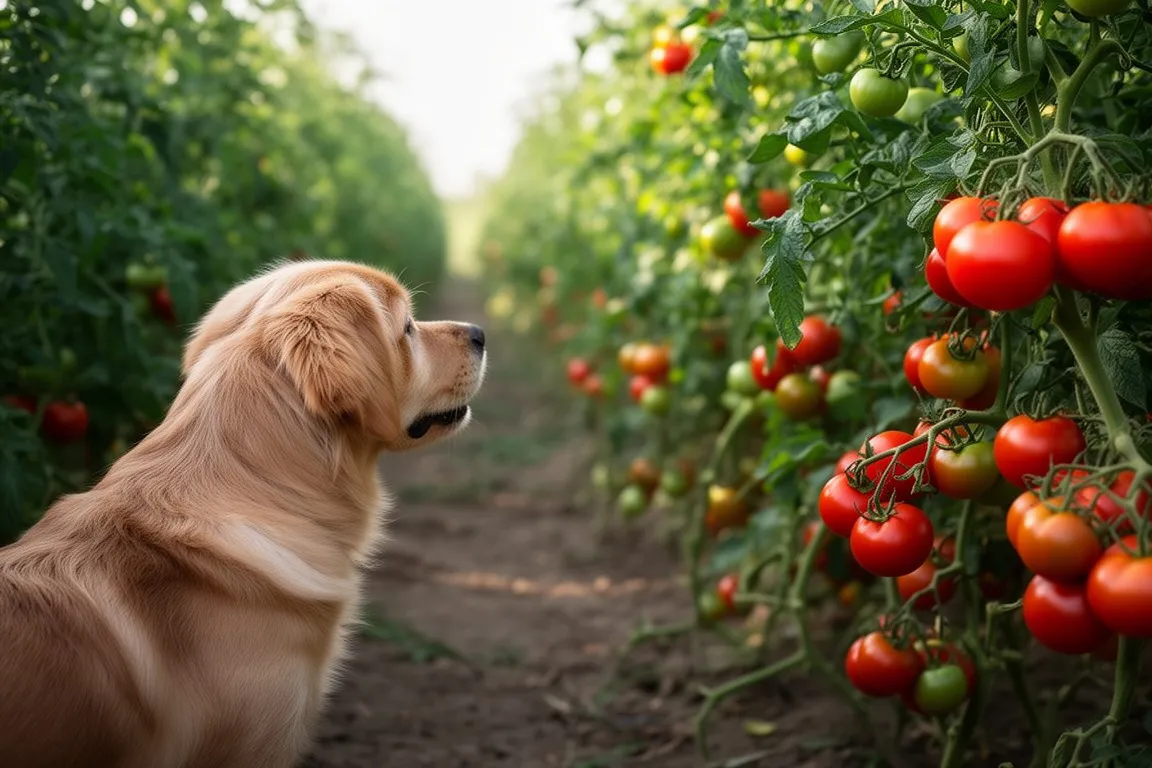
Dog looking at tomatoes

Can dogs eat tomatoes? | Are tomatoes safe for dogs?

Can dogs eat tomatoes? Are tomatoes safe for dogs?

Sometimes. Ripe, red tomato flesh is generally considered non-toxic to dogs and can be fed in small amounts as an occasional treat.¹⁴ The parts that cause trouble are the green parts of the tomato plant (leaves, stems, vines) and unripe green tomatoes. These can contain higher levels of glycoalkaloids (often discussed as tomatine and solanine-like compounds), which can make dogs sick.²³⁵ If your dog eats tomato plant parts or green tomatoes, contact your veterinarian for guidance. If your dog only ate a little ripe tomato, the most common issue is mild stomach upset if they ate too much.¹⁴


Ripe tomato versus tomato plant

The ASPCA lists the tomato plant as toxic to dogs, but notes that the ripe fruit is non-toxic.² Pet Poison Helpline similarly states the ripened tomato fruit is considered non-toxic, while the green parts of the plant contain glycoalkaloids such as solanine (and related compounds like tomatine).³


Watch out for sauces and seasonings

Tomato sauce, ketchup, pizza sauce, and many soups may contain onion or garlic, which can cause gastrointestinal irritation and red blood cell damage in dogs.⁶ These foods can also be high in salt and sugar, so they are not good dog treats even if the tomato itself is ripe.⁴⁶


Treats should stay small

Treats, including fruits and vegetables, should not exceed 10% of your dog’s daily calories so the main diet stays nutritionally balanced.⁷

Table of contents

  1. Are tomatoes safe for dogs?
  2. What to do if your dog ate tomatoes
  3. Symptoms to watch for (timeline)
  4. How much is too much?
  5. FAQ
  6. References

Are tomatoes safe for dogs?

Dogs can sometimes eat tomatoes, but it depends on which part of the plant and how ripe the tomato is. The American Kennel Club notes that ripe tomatoes are considered non-toxic to dogs and can be fed in moderation.¹

The tomato plant itself is a different story. The ASPCA lists the tomato plant as toxic to dogs and notes the toxic principle is solanine, while also stating that ripe fruit is non-toxic.²

Pet Poison Helpline explains that the ripened tomato fruit is considered non-toxic, but the green parts of the plant contain solanine, and large ingestions are more likely to cause problems.³

Veterinary guidance also warns about unripe green tomatoes. A VCA nutrition resource includes green tomatoes in a list of foods to avoid for pets.⁵

Tomato-based foods like sauces are often unsafe for another reason: they frequently contain onion or garlic, which can cause gastrointestinal irritation and red blood cell damage in dogs.⁶

What to do if your dog ate tomatoes

Symptoms to watch for (timeline)

How much is too much?

If you choose to feed tomato, offer only ripe, red tomato flesh and start with a small bite to see how your dog tolerates it.¹⁴

Do not feed green tomatoes or any part of the tomato plant (leaves, stems, vines). These parts have higher levels of toxic glycoalkaloids and are associated with poisoning risk.²³⁵

Avoid tomato sauces and seasoned tomato foods, especially if they contain onion or garlic, which are unsafe for dogs.⁶

Use a treat budget. Treats should make up no more than 10% of your dog’s daily calories.⁷

FAQ

References

  1. American Kennel Club. (2025, August 19). Can dogs eat tomatoes? AKC. Retrieved February 7, 2026, from — https://www.akc.org/expert-advice/nutrition/can-dogs-eat-tomatoes/
  2. American Society for the Prevention of Cruelty to Animals. (n.d.). Tomato plant. ASPCA Toxic and Non-Toxic Plants. Retrieved February 7, 2026, from — https://www.aspca.org/pet-care/aspca-poison-control/toxic-and-non-toxic-plants/tomato-plant
  3. Pet Poison Helpline. (n.d.). Tomato plant. Pet Poison Helpline. Retrieved February 7, 2026, from — https://www.petpoisonhelpline.com/poison/tomato-plant/
  4. PetMD. (2025, September 26). Can dogs eat tomatoes? PetMD. Retrieved February 7, 2026, from — https://www.petmd.com/dog/nutrition/can-dogs-eat-tomatoes
  5. VCA Animal Hospitals. (n.d.). Can you feed pets certain fruits and veggies? VCA Animal Hospitals. Retrieved February 7, 2026, from — https://vcahospitals.com/resources/preventive-dog/nutrition/can-you-feed-pets-certain-fruits-and-veggies
  6. American Society for the Prevention of Cruelty to Animals. (n.d.). People foods to avoid feeding your pets. ASPCA Animal Poison Control Center. Retrieved February 7, 2026, from — https://www.aspca.org/pet-care/aspca-poison-control/people-foods-avoid-feeding-your-pets
  7. World Small Animal Veterinary Association Global Nutrition Committee. (2024, June). Feeding treats to your dog (v2). WSAVA. Retrieved February 7, 2026, from — https://wsava.org/wp-content/uploads/2024/06/Feeding-treats-to-your-dog-v2.pdf

Related articles

Illustration of a cat with exclamation points in the background

DISCLAIMER

The information provided on Can Pets Eat It is for educational and informational purposes only and is not a substitute for professional veterinary advice, diagnosis, or treatment. Always seek the guidance of your veterinarian or another qualified animal health professional before offering any food to your pet. Never disregard or delay seeking professional advice because of something you have read on this website. We make no guarantees about the accuracy or completeness of the content, and we are not responsible for any actions taken based on this information. Please be reasonable, use common sense, and seek professional guidance whenever you have concerns about your pet.